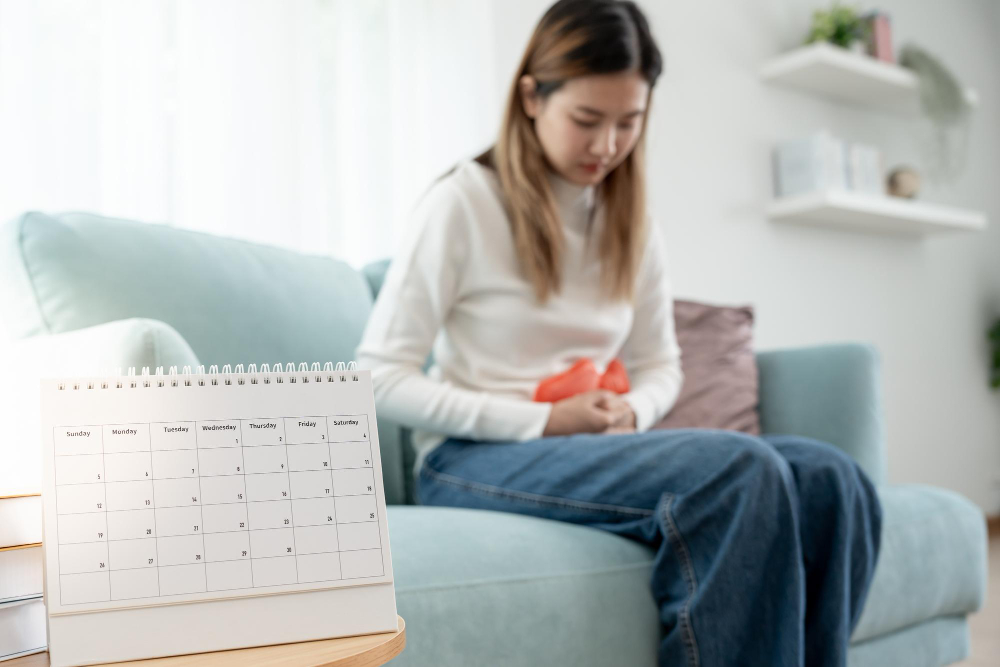
What Are Irregular Periods?
Irregular periods happen when the time between your periods changes often. Usually, a menstrual cycle lasts about 21 to 35 days. However, some people notice their cycles are shorter or longer. Sometimes, periods may skip a month or come more than once in a month. For many, these changes can feel confusing. In fact, menstrual cycle irregularities are common, especially during puberty or before menopause. But, if changes last for several months, it may be time to look closer.
Common Causes of Irregular Periods
Many things can cause irregular periods. Sometimes, it is a normal part of life. Other times, it may signal a health issue. Below are some common reasons for missed periods or changes in your cycle:
Because many factors play a role, it helps to track your cycle and note any changes.
How Irregular Periods Are Diagnosed
Doctors use several steps to find the cause of irregular periods. First, they will ask about your medical history and period patterns. Next, they may do a physical exam. Sometimes, blood tests check hormone levels or thyroid function. In some cases, an ultrasound looks at your ovaries and uterus. For example, this can help find PCOS or other issues. If needed, your doctor may suggest more tests to rule out other causes. Early diagnosis can help manage menstrual cycle irregularities better.
When to Seek Medical Help for Irregular Periods
Many people wonder when to see a doctor for irregular periods. While some changes are normal, certain signs mean you should get help. For instance, seek medical advice if you:
Additionally, if you are trying to get pregnant and have irregular cycles, talk to your doctor. Early care can help find the reasons for missed periods and guide treatment.
Lifestyle Tips for Managing Irregular Periods
Although some causes need medical care, many people can manage mild cycle changes at home. Here are some helpful tips:
With these steps, you may notice your cycle becomes more regular over time. Still, if changes continue, it is best to check with a healthcare provider.
Prevention and Self-Care Strategies
Preventing irregular periods is not always possible, but some habits can help. For example, try to:
By caring for your body and watching for changes, you can better manage how to handle irregular periods and protect your health.